 Youth Unemployment
01
Digital Livelihoods and Online Earning
Uganda has one of the youngest populations on earth, and far too few formal jobs to absorb it. We take graduates of our digital and AI training one step further, int...
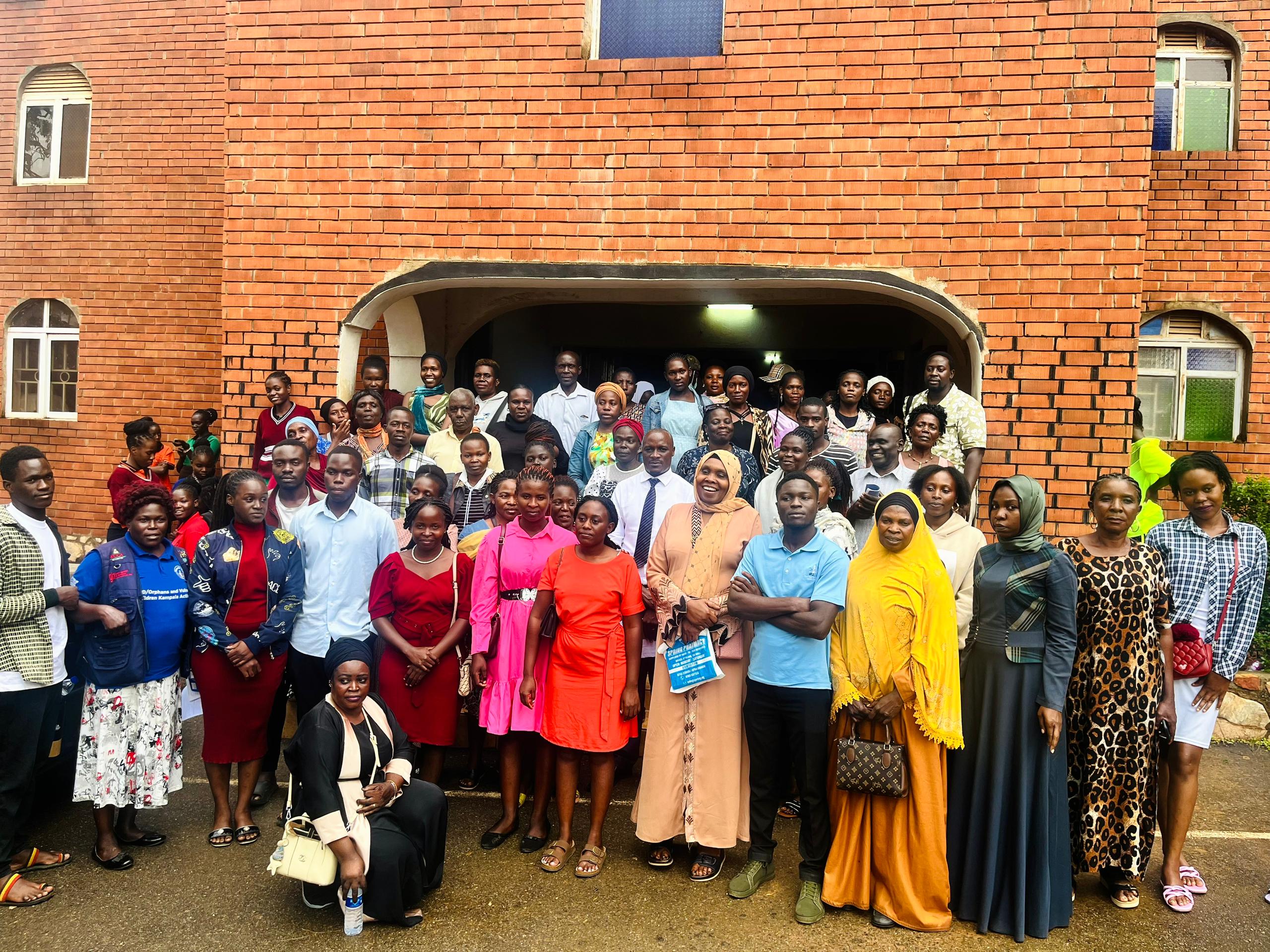
We support communities close the gaps that hold them back, in digital skills, mental health, child protection and climate resilience, using their own strengths.
Community-Led. Evidence-Driven. Technology-Enabled.
JM Centre for Community Engagement and Research (JM-CCER) is a Ugandan non-governmental organisation founded in 2026 and based in Kansanga, Kampala.
Most development problems in Uganda are treated one at a time. JM-CCER was founded on a different reading of the problem: these needs are connected, communities already hold much of the answer, and the right combination of evidence and technology can multiply what a community can do for itself.
We bring in-demand digital and AI skills, accessible mental health support, strong child safeguarding, climate resilience and rigorous research together in a single, community-led model, already backed by partnerships with more than six universities and institutions.
Legal status
Registered NGO, Uganda
Year founded
2026
Headquarters
Kansanga, Kampala
Geographic reach
Greater Kampala, scaling national
We work collectively with community members to address the social, economic, environmental and cultural challenges that shape their welfare.
Empowered, supported and resilient communities that work in an inclusive way and use their own resources to drive their long-term development.
To support individuals and communities facing systemic, economic and environmental barriers, and to harness community resources through culturally inclusive interventions for sustainable community wellbeing.
We exist to be genuinely useful to the communities we work with, measured by what changes for them.
We are because others are. Care, sharing, respect and compassion guide how we treat every person.
We stand with the people who carry the heaviest burdens, and we work to shift the conditions that put them there.
Dignity and rights are not negotiable. They are the floor under everything we design and deliver.
Lasting change is built together with communities, not handed down to them.
“We do not deliver services to communities. We build the capacity of communities to deliver for themselves.”
When we equip communities with skills, mental health support and protective structures, ground that work in evidence, and extend it with technology, communities gain the means to drive their own development. Four principles hold that chain together.
We train local residents as facilitators, peer supporters and community child defenders. The people closest to a problem lead the response, which builds trust and keeps the work alive long after a project ends.
Research and monitoring are built into our programmes, not added afterward. We design from data, learn as we go, and can show partners what is working and what is not.
We use digital tools, AI and online channels to reach people far beyond a single office, to lower the cost of delivery, and to give communities skills that open real economic opportunity.
Care, sharing, respect and compassion are not slogans for us. They are working principles that shape how we protect children, support wellbeing and treat every person we serve.
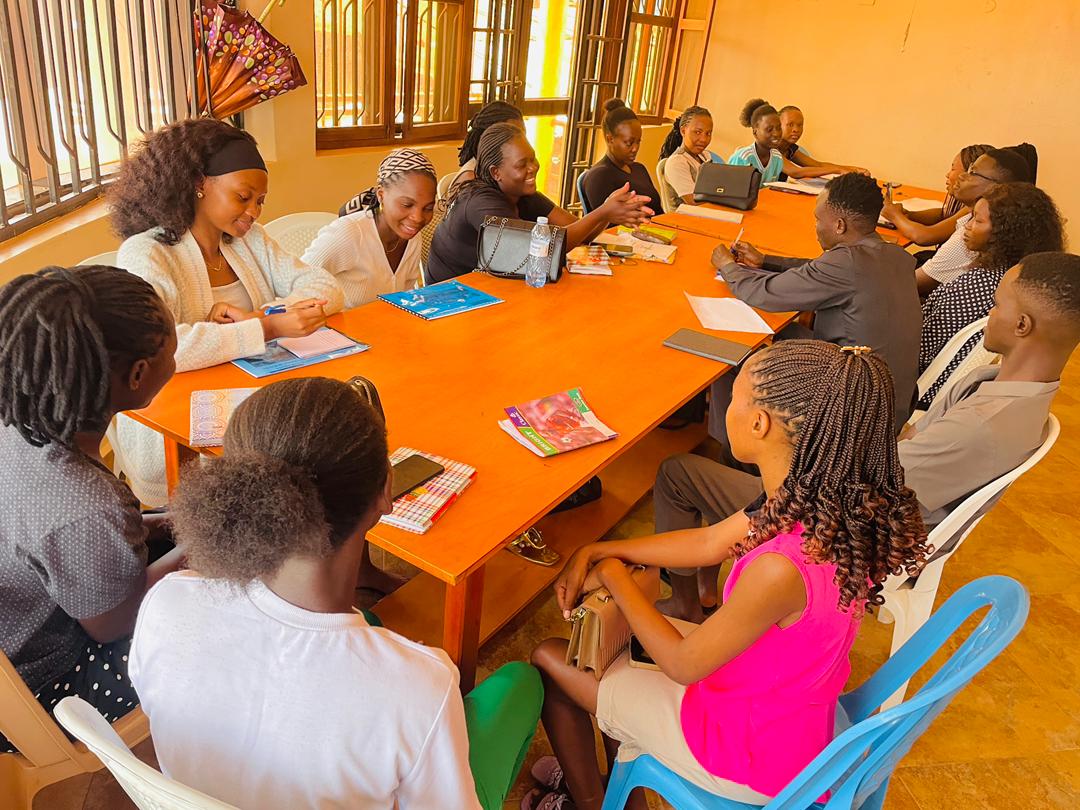
Each one stands on its own, and each one strengthens the others. A young person can learn digital skills, find psychosocial support and join a research or internship pathway within the same Centre.
We close the digital gap and prepare people for a workforce reshaped by technology, from first contact with a computer to applied artificial intelligence.
Lessons in English, French and Kiswahili build confident communication for study, work and opportunity, covering grammar, fluent speaking, comprehension and professional writing.
We make mental health support accessible, local and free of stigma, increasing access and equity, reducing stigma and building partnerships across the health system.
We champion youth-led, digitally enabled climate solutions, promoting low-carbon, climate-resilient approaches and protecting the populations most exposed to climate stress.
We champion child safeguarding interventions aimed at empowerment, prevention, protection, partnership and accountability, following the INSPIRE global package.
A structured learning experience strengthening strategic thinking, emotional intelligence and ethical decision-making for emerging leaders, managers and executives.
We give social work students and early-career professionals a place to apply their training, following Uganda's Minimum Standards and global social work standards.
Evidence is the engine of everything we do. Our research generates the understanding that better policy and practice depend on, across a deliberately wide field.
Six flagship initiatives translate our programmes into measurable change, from online livelihoods to tele-mental health and refugee inclusion.
Youth UnemploymentUganda has one of the youngest populations on earth, and far too few formal jobs to absorb it. We take graduates of our digital and AI training one step further, int...
 The Mental Health Treatment Gap
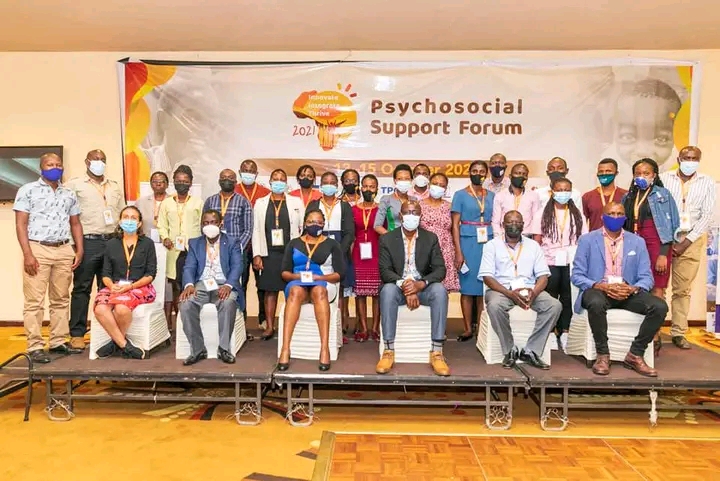
Uganda has only a handful of psychiatrists for a population of tens of millions, and most people in distress never reach professional care. We are building a low-ban...
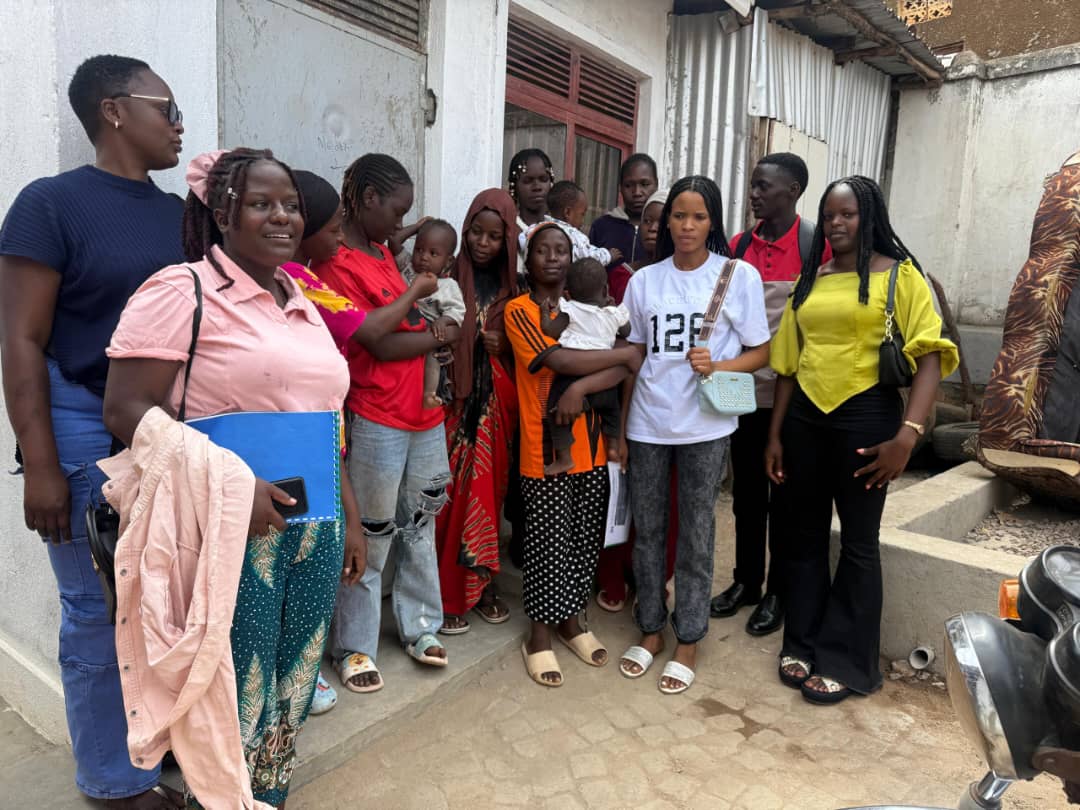 Africa's Largest Refugee Population
Uganda hosts more refugees than any other country in Africa, in settlements such as Nakivale, Kyangwali, Kiryandongo and Bidi Bidi. We bring our combined model of di...
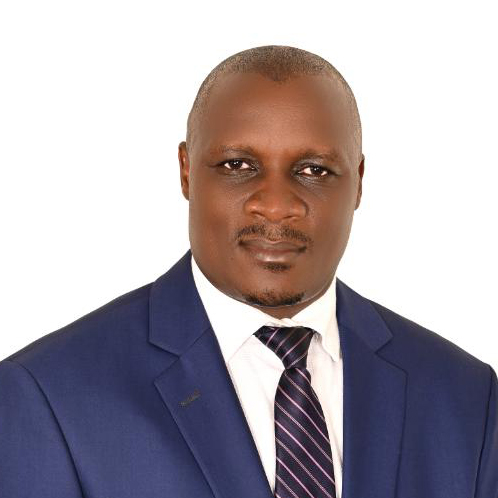
JM-CCER is founded and led by John Mary Ssekate, a professional social worker whose career sits at the centre of Uganda's social work and child protection systems. The Centre carries his name, and the standards he has spent more than a decade setting for the profession.
As a former National Coordinator of the National Association of Social Workers of Uganda (NASWU), and a member of national child protection, health and education committees, his work reaches from the classroom to national policy. This combination of practice, teaching, research and policy is the foundation JM-CCER is built on.
Founder and Board Chairman, Former National Coordinator of NASWU
Meet the full teamWe partner with local organizations, national government bodies, and international networks to amplify our impact and create sustainable change.
For donors, government and partners deciding where to place resources, JM-CCER offers a rare combination of reach, rigour and credibility.
Most partners fund one issue at a time. We address digital skills, mental health, child protection, climate and research through a single coordinated model, so one investment reaches a person's economic, emotional and protective needs at once.
Our founder is a former National Coordinator of Uganda's social work association and sits on national child protection, health and education committees, giving our work direct lines into the systems that decide whether change holds.
By training local facilitators, using task-shifting models and delivering through technology, we reach far more people per shilling than facility-based or staff-heavy approaches allow.
Research and monitoring are built into our design. Partners receive clear evidence of what their support achieves, and the sector gains knowledge it can use.
Our work maps onto Uganda's development agenda and onto the SDGs for poverty, hunger, health, education, gender, clean energy, climate and life on land.
We are designed to grow from our Kampala base to national coverage, giving early partners the chance to back a model at the moment it is most able to multiply impact.
I have been involved in climate change activities for the last two years, through community outreach and planting trees to promote climate justice. I am currently interning at the National Water and Sewerage Corporation to support provide clean and safe water for healthy lives in my community.
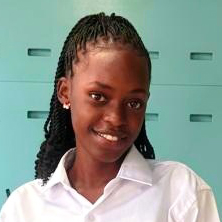 Nansubuga Lydia GillianYouth Leader and Volunteer
I believe every life is worth restoring. We do not just treat symptoms, we walk with people until they are whole. My focus is simple: break stigma, build resilience, and make healing practical, because restoration is possible.
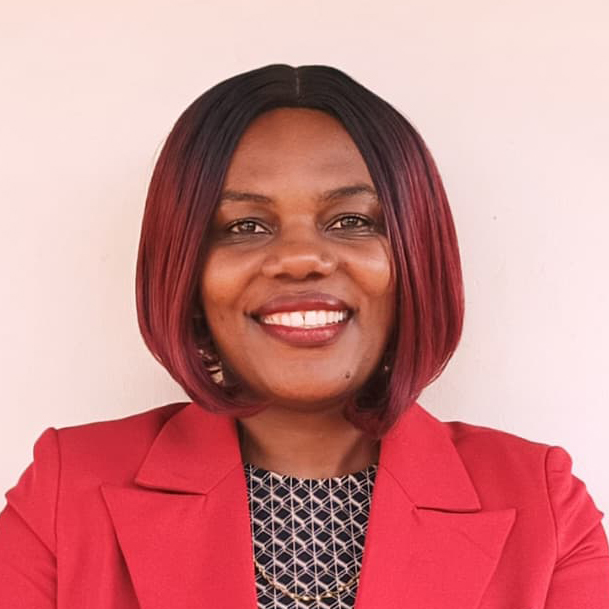 Sarah NayebareMental Health Director
Whether you fund, collaborate, refer a participant or join as a volunteer, there is a place for you in this work. Let us build resilient, technology-enabled communities together.